

Gaming was once a niche activity, but it has quickly become a popular pastime for many people of all ages worldwide. Although we’ve all heard the criticism that gaming is a waste of time or mindless activity, It can contribute to a healthy and prosperous lifestyle.
There is already an encyclopedia of knowledge arguing against video games and listing their harmful impacts on your life. Since these topics are more familiar, let’s explore how your controller and keyboard can help your wellness!
Physical Health
One of the most common criticisms of video gaming is that it promotes a sedentary lifestyle, crippling physical health. While it’s true that sitting in front of a screen for hours on end isn’t the healthiest habit, it doesn’t mean that gaming can’t contribute to being active. On the contrary, some video games require physical activity and can be a fun way to exercise.
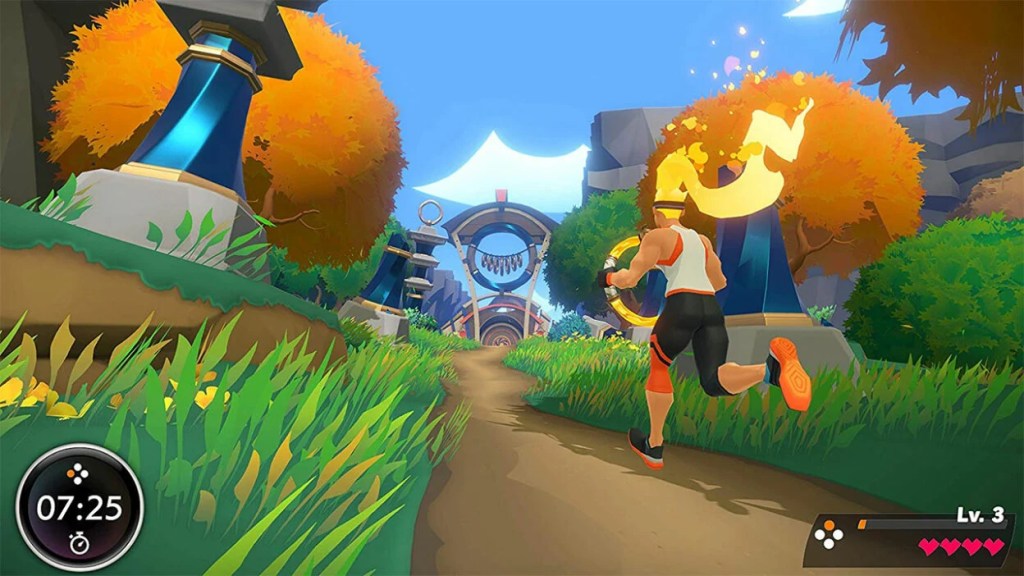
For example, games like Just Dance, Ring Fit, Pistol Whilp, and virtual reality platforms require players to move their bodies to play. As a result, these games can be a fun alternative to traditional exercise and a great way to motivate yourself to get moving. After all, isn’t blocking blaster fire with a lightsaber a little cooler than jogging the track?
Additionally, video games can provide a break from physical activity for those recovering from an injury or who have a disability that limits their mobility. Streamers with a physical or mental condition can participate in group activities and meet people they may never have been able to. For these individuals, video games can be a way to stay active and engaged while enjoying entertainment.
Mental Health

Video games can also have a positive impact on our mental health. Many games require problem-solving skills, critical thinking, and creativity, which can help to improve cognitive function and sharpen the mind. I can’t tell you how often I picked up an exciting piece of Mythology from God of War or a bit of geography from Assassins Creed. Many games have complex storylines and characters that can teach players about history, culture, and social issues. Games like Assassin’s Creed and Red Dead Redemption receive praise for their attention to historical accuracy and for teaching players about people, places, and events.
On top of training your brain, gaming can provide a sense of accomplishment, satisfaction, and, albeit occasionally, rage. Grinding out a problematic level or winning a match can boost self-esteem and give a sense of pride. Even if you cannot compete in the real world, gaming gives everyone the option to be an NFL running back. Some studies have found that video games can effectively treat mental health issues. For example, one study published in the journal Cyberpsychology, Behavior, and Social Networking found that playing video games could help to alleviate symptoms of depression in older adults.
Personal Development

Lastly, playing video games helps us build and preserve our friendships, nurturing social skills for relationships. Multiplayer games require players to work together as a team, communicate effectively, and practice leadership skills. These skills can translate into both personal and professional settings. In addition, games allow individuals to explore their interests and hobbies. Some games cover various topics, from power washing to space exploration, and can spark an interest in a new subject or hobby.
Overall, video games can positively and negatively impact one’s social life. As game developers and online communities work to create new and inclusive spaces, the number of self-described gamers will continue to grow. Therefore, individuals must be mindful of their gaming habits and when going too far.
 NERD CHUM