
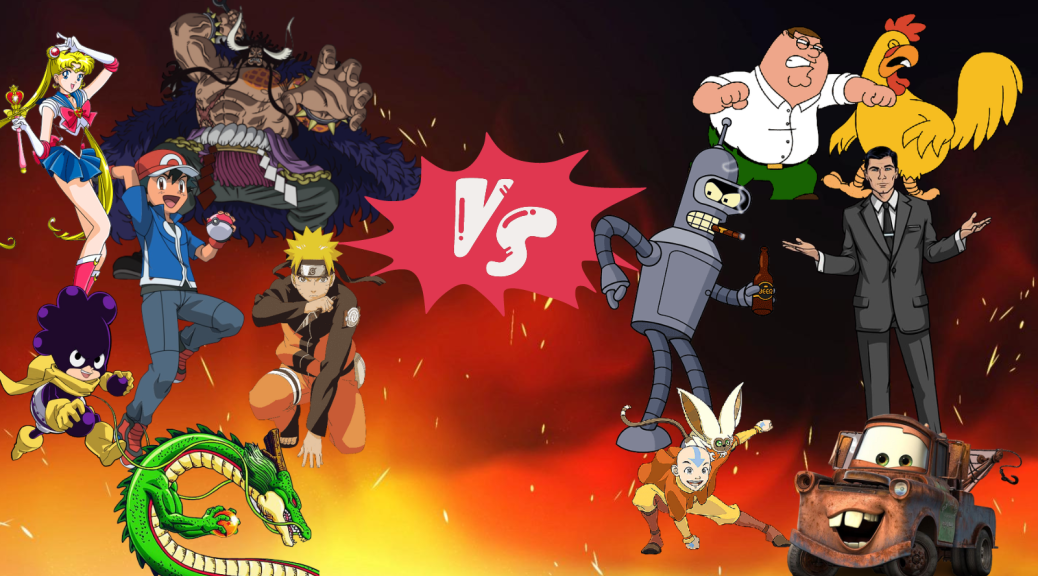
American animation and Eastern Anime are distinct styles that set them apart. While anime certainly has a head start on Western style, its global popularity is undeniable. But could shows like Family Guy and South Park make their way into more viewers’ hearts than Japanese anime, even with such a stark contrast to their approaches?
American animation often features exaggerated, cartoonish characters with simpler designs and more limited animation details. In addition, it is typically targeted toward children or families and often includes humor and slapstick comedy. In contrast, Eastern Anime usually has more detailed character designs and animation, focusing on storytelling, character development, and themes that appeal to a broader range of ages.
One of the critical strengths of American animation is its ability to appeal to find a targeted audience, from young children to adults. As a result, many American animated shows have become cultural touchstones, beloved by generations. Shows like Looney Tunes, The Simpsons, and Spongebob Squarepants have endured for decades and have become embedded in popular culture. American animation also has a strong tradition of experimentation and innovation, with shows like Adventure Time and Steven Universe pushing the boundaries of what is possible in animated storytelling.
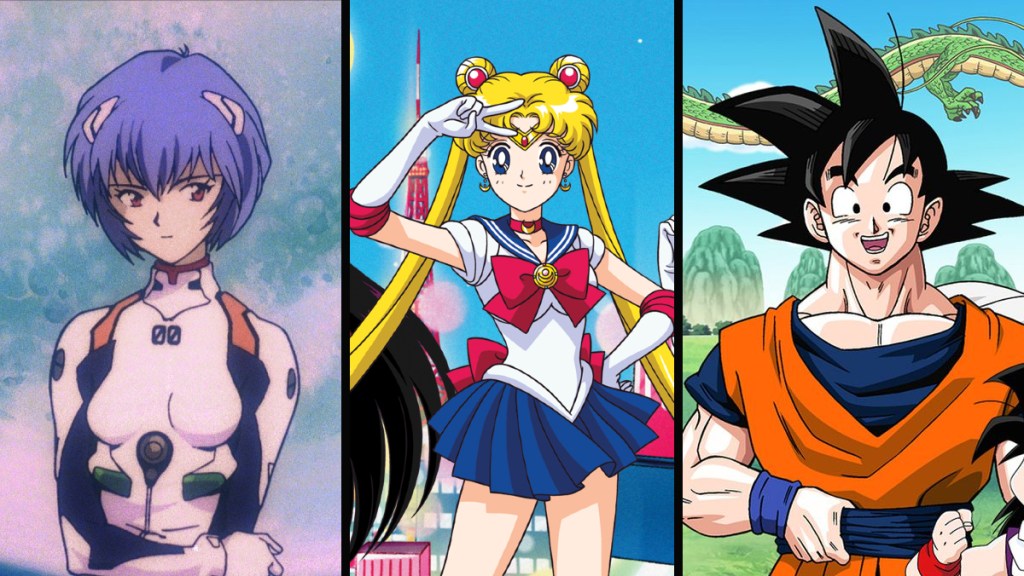
On the other hand, Eastern Anime has gained a massive following worldwide, with many fans drawn to the complex characters, intricate storytelling, and unique visual style. In addition, anime often deals with deeper themes, such as coming-of-age, relationships, and societal issues. It also has a strong tradition of genre-blending, with shows that mix action, romance, comedy, and drama in new and exciting ways.
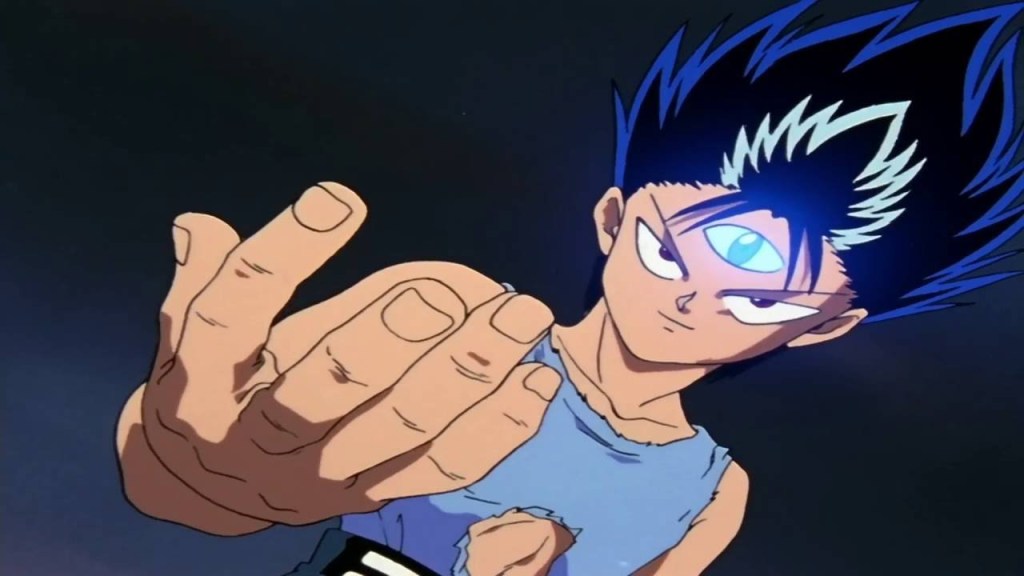
Anime has become a staple among broad and niche audiences; classics like Yu-Yu Hakusho, Neon Genesis Evangelion, and Pokemon have continued to spawn a wave of modern anime; One Piece, Dr. Stone, Death Parade, and dozens more seem to gain popularity endlessly. At a point in Japanese history where youths feel more disconnected than ever within their culture, watching anime is a widespread way to escape this friction.
But which one is better is the question. Despite their differences, American animation and Eastern Anime have influenced each other over the years. Japanese anime has significantly impacted American animation, with shows like Avatar: The Last Airbender and Legend of Korra blending Eastern and Western styles especially. American animation, in turn, has influenced the development of anime, with shows like Cowboy Bebop and Fullmetal Alchemist, and Attack on Titan, all drawing inspiration from Western storytelling and animating techniques.
As for the question of whether American animation will ever surpass anime, it is difficult to say, but a few factors could push American animation to new heights.

One of these factors is the growing popularity of adult-oriented animated shows. Shows like Bojack Horseman, Rick and Morty, Archer, and Big Mouth have proven that animated storytelling can tackle complex themes that appeal to mature audiences. As creators and studios explore this space, we may see a new wave of American animation that pushes the boundaries of what is possible in the medium.
Another factor is the continued evolution of animation technology. As computers become more powerful and animation software becomes more sophisticated, animators will have more tools to create complex, detailed worlds. The technology we innovate could lead to a new era of American animation, rivaling the intricacy and artistry of Eastern anime. While some Anime artists have already begun to tap into this underutilized tool, the competition for fans may come down to a technological art race.
Ultimately, whether American animation ever “surpasses,” anime is less important than the fact that both styles continue to thrive and evolve. As long as creators persist in pushing the boundaries of what is possible in animated storytelling, we will continue to see new and exciting shows from both sides of the Pacific.





 NERD CHUM